Notice: Function _load_textdomain_just_in_time was called incorrectly. Translation loading for the complianz-gdpr domain was triggered too early. This is usually an indicator for some code in the plugin or theme running too early. Translations should be loaded at the init action or later. Please see Debugging in WordPress for more information. (This message was added in version 6.7.0.) in /home/hubcymruafrica/public_html/bsstaging.hubcymruafrica.wales/wp-includes/functions.php on line 6170

Notice: Function _load_textdomain_just_in_time was called incorrectly. Translation loading for the polylang domain was triggered too early. This is usually an indicator for some code in the plugin or theme running too early. Translations should be loaded at the init action or later. Please see Debugging in WordPress for more information. (This message was added in version 6.7.0.) in /home/hubcymruafrica/public_html/bsstaging.hubcymruafrica.wales/wp-includes/functions.php on line 6170
Sustainable Livelihoods in Africa after COVID-19 - Hub Cymru Africa
CY

Sustainable Livelihoods in Africa after COVID-19

Sustainable Livelihoods

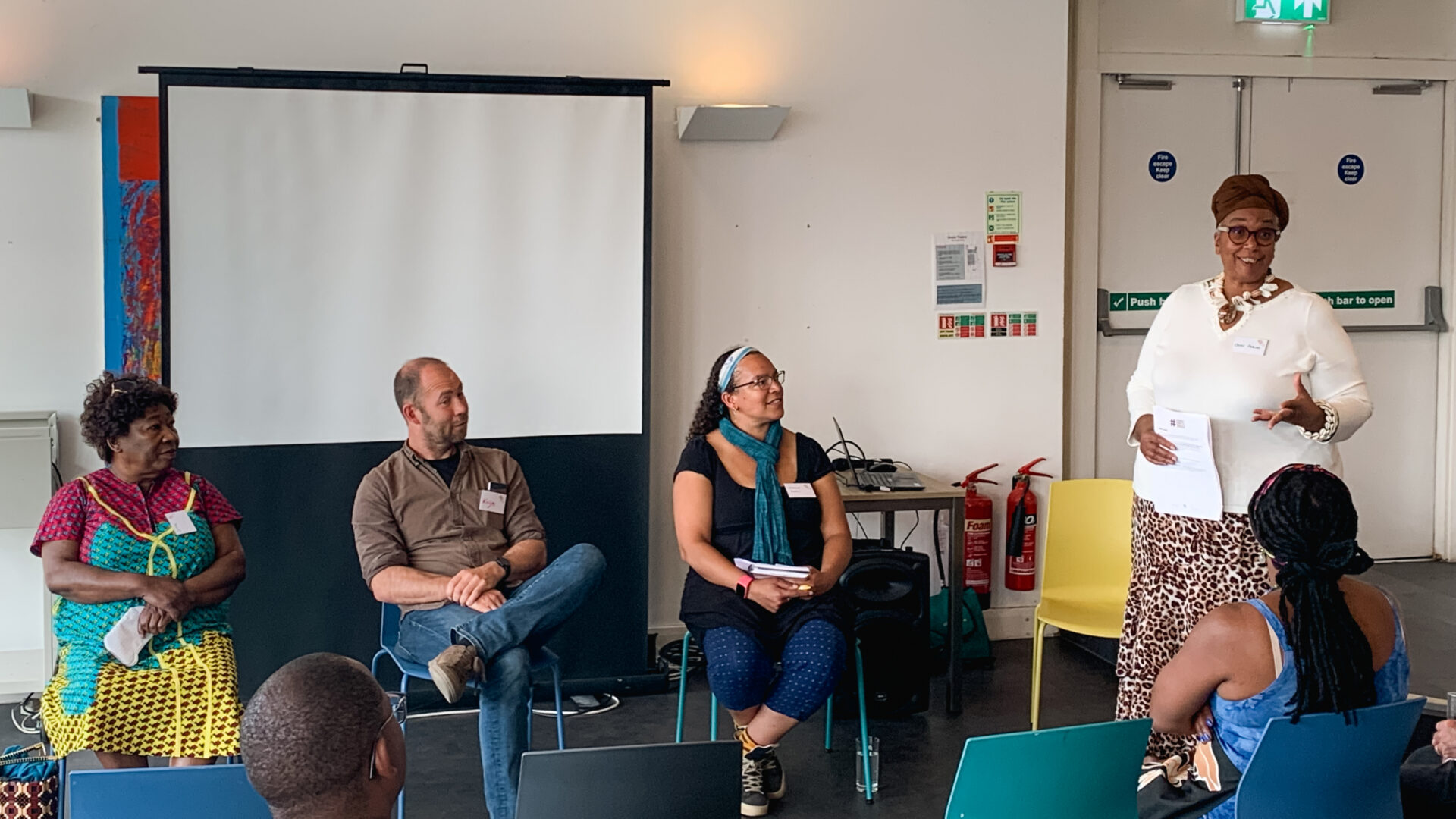
At the #SummerUndod2022 event in Swansea on 15th July, Carol Adams, Africa Portfolio Lead at the Sub-Saharan Advisory Panel and Managing Director at Food Adventure, chaired a panel discussion on sustainable livelihoods in Africa in the post-COVID era.

The panel consisted of Lenshina Hines, Co-Manager of Fair and Fabulous and Chair of the Board at BAFTS Fair Trade Network UK; Dr Krijn Peters, Associate Professor of Politics, Philosophy and International Relations at Swansea University; and Lettie Chimbi, founder of Chomuzangari Women’s Co-operative.

Carol asked the panel and audience to consider the main challenges and possible solutions to creating sustainable livelihoods in Africa today. The following rose to prominence:

Challenges:

  • COVID-19 has been detrimental to travel and tourism in Africa
  • Increased costs and delays to shipping has affected craft businesses
  • One in two African countries relies on imported grain from the Ukraine and fertiliser from Russia, both of which have been severely affected by the Russo-Ukrainian War
  • Workers need tools that could be produced sustainably in their own countries but it is often cheaper to import them from India and China instead
  • Climate change is wreaking havoc on rainfall for food crops
  • Soaring inflation in countries like Zimbabwe means basic goods are becoming unaffordable

Potential Solutions:

  • Find better and more frequent ways of telling consumers the stories of producers
  • Help consumers make better informed decisions when buying – “buy less, buy better, buy well”
  • Advocate for institutions and organisations
  • Raise more funding for community-led projects across Africa
  • Increase levels of research for evidence-based solutions
Array
(
    [output_type] => latest
)
Array
(
    [post_type] => post
    [posts_per_page] => 5
    [post_status] => publish
    [orderby] => post_date
    [order] => DESC
    [post__not_in] => Array
        (
            [0] => 63965
        )

)

Other Articles

View all
News

Saffron’s Story

Fair Trade View article
News, Press Releases

Wales and Africa Community celebrate three years of global solidarity

Arts and CultureDiasporaDiversity and InclusionFair TradeHealthHuman RightsSustainable Livelihoods View article
BAFTS Logo
News

BAFTs and the Anti-Racism Charter: A Case Study

Anti-RacismFair Trade View article
News

Harry’s Story

Climate Change and EnvironmentSustainable Livelihoods View article